Authors: Chen Xi, Yuan Mingzhu, Xie Jinchi, Tan Yuhe, Yang Runze, Geng Tingting, Sun Xufang
Corresponding author: , Email: sunxufang2016@163.com
Published:2026-09-10
DOI: 10.3760/cma.j.cn115989-20260424-00188
ABSTRACT
Objective To investigate the association between the triglyceride-glucose (TyG) index and the risk of diabetic retinopathy (DR) in patients with type 2 diabetes mellitus (T2DM), and the effect modification of abdominal obesity.
Methods Based on data from the UK Biobank prospective cohort, 19 232 T2DM patients without DR at baseline were included (2006—2010). DR outcomes were identified through electronic health records. With age, sex, race, Townsend deprivation index, educational level, smoking status, alcohol consumption, leisure-time physical activity, history of cardiovascular disease, glycated hemoglobin, duration of diabetes, use of glucose-lowering, antihypertensive and lipid-lowering medications, and time since last food intake as covariates, Cox proportional hazards regression models were used to analyze the association between the TyG index and the risk of DR. Restricted cubic spline (RCS) analysis was used to assess the dose-response relationship. Stratified analysis and interaction analysis were performed to evaluate the modifying effect of abdominal obesity on this association, and a joint analysis of the TyG index and abdominal obesity was further conducted. The UK Biobank received ethical approval from the North West Multi-Centre Research Ethics Committee (06/MRE08/65), and all participants provided written informed consent. This study was conducted under UK Biobank Application (No. 88159).
Results During a median follow-up of 12.5 years, 1 542 participants developed DR. After adjustment for confounders, the TyG index was significantly associated with the risk of DR. Compared with the lowest quartile (Q1), the highest quartile (Q4) was associated with a 50% higher risk of DR, with a hazard ratio (HR) and 95% confidence interval ( CI) of 1.50 (1.30-1.73), and the test for trend was statistically significant ( P<0.001). When TyG was included as a continuous variable, each 1-unit increase in the TyG index was associated with a 28% higher risk of DR (HR=1.28, 95% CI: 1.20-1.37). Stratified analysis showed that among participants with abdominal obesity, the TyG index was significantly positively associated with the risk of DR; compared with Q1, the HR for Q4 was 1.50 (95% CI: 1.27-1.76; P<0.001). However, among participants without abdominal obesity, no significant association was observed (Q4 vs Q1: HR=1.19, 95% CI: 0.81-1.76; P=0.153). Interaction analysis showed that abdominal obesity significantly modified the association between the TyG index and the risk of DR ( P=0.031). Joint analysis showed that, with participants without abdominal obesity and in TyG Q1 as the reference group, the risk of DR generally increased with abdominal obesity status and higher TyG quartiles, and the trend test was statistically significant ( P=0.003).
Conclusions A higher TyG index is associated with an increased risk of DR in patients with T2DM. Abdominal obesity significantly and positively modifies the association between the TyG index and the risk of DR. When evaluating the risk of DR in T2DM, the assessment and management of abdominal obesity should also be emphasized alongside glucose and lipid metabolism.
KEYWORDS:
Diabetic retinopathy;Triglyceride-glucose index;Abdominal obesity;Waist-to-hip ratio;Cohort study;Effect modification
COPYRIGHTS:
Copyright by Chinese Medical Association
No content published by the journals of Chinese Medical Association may be reproduced or abridged without authorization. Please do not use or copy the layout and design of the journals without permission.
All articles published represent the opinions of the authors, and do not reflect the official policy of the Chinese Medical Association or the Editorial Board, unless this is clearly specified.
Authors Info & Affiliations
Chen Xi
Department of Ophthalmology, Hubei Key Laboratory of Otolaryngologic and Ophthalmic Diseases, Tongji Hospital, Tongji Medical College, Huazhong University of Science and Technology, Wuhan 430030, China
Yuan Mingzhu
Department of Ophthalmology, Hubei Key Laboratory of Otolaryngologic and Ophthalmic Diseases, Tongji Hospital, Tongji Medical College, Huazhong University of Science and Technology, Wuhan 430030, China
Xie Jinchi
Department of Epidemiology and Biostatistics, Key Laboratory of Environment and Health, Ministry of Education and State Key Laboratory of Environmental Health (Incubating), School of Public Health, Tongji Medical College, Huazhong University of Science and Technology, Wuhan 430030, China
Tan Yuhe
Department of Ophthalmology, Hubei Key Laboratory of Otolaryngologic and Ophthalmic Diseases, Tongji Hospital, Tongji Medical College, Huazhong University of Science and Technology, Wuhan 430030, China
Yang Runze
Department of Ophthalmology, Hubei Key Laboratory of Otolaryngologic and Ophthalmic Diseases, Tongji Hospital, Tongji Medical College, Huazhong University of Science and Technology, Wuhan 430030, China
Geng Tingting
Department of Epidemiology and Biostatistics, Key Laboratory of Environment and Health, Ministry of Education and State Key Laboratory of Environmental Health (Incubating), School of Public Health, Tongji Medical College, Huazhong University of Science and Technology, Wuhan 430030, China
Sun Xufang
Department of Ophthalmology, Hubei Key Laboratory of Otolaryngologic and Ophthalmic Diseases, Tongji Hospital, Tongji Medical College, Huazhong University of Science and Technology, Wuhan 430030, China
Figures & Tables
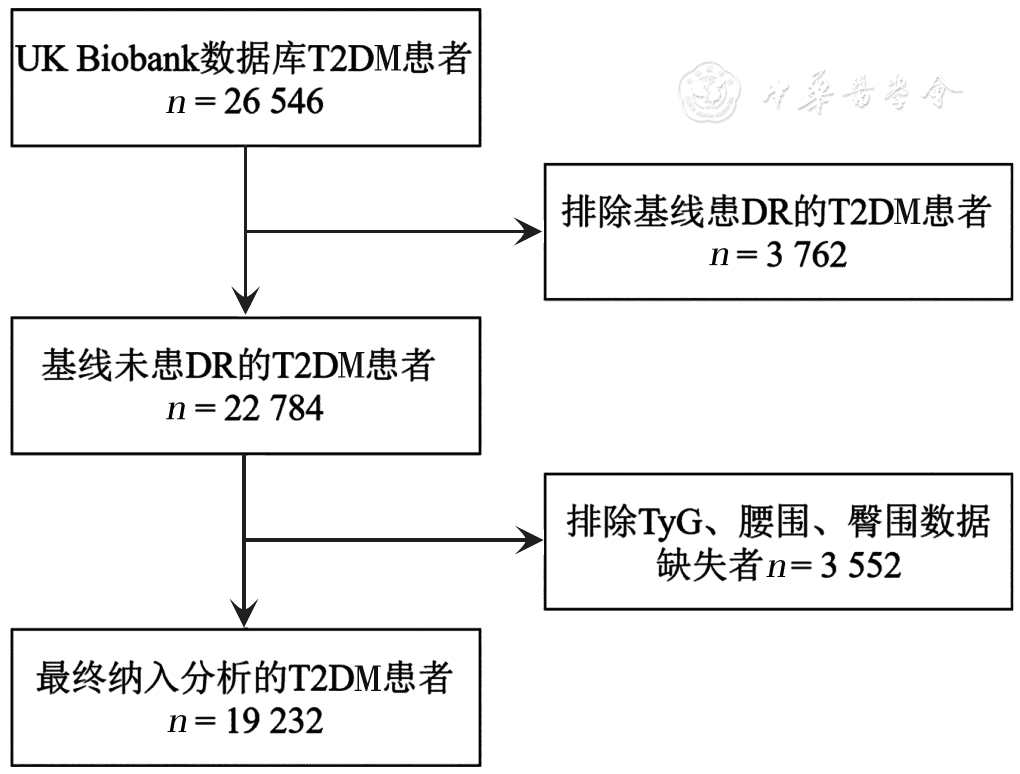
Figure 1 Flowchart of study population selection T2DM: type 2 diabetes mellitus; DR: diabetic retinopathy; TyG: triglyceride-glucose
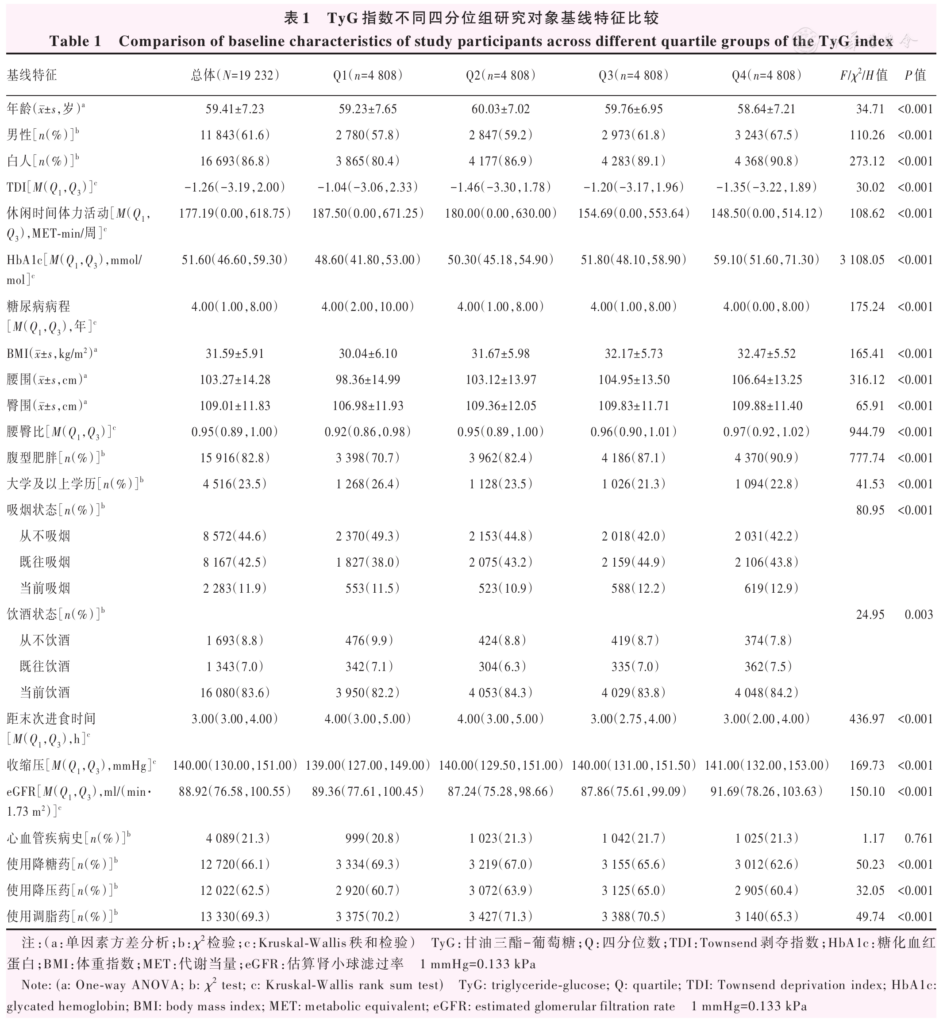
Table 1 Comparison of baseline characteristics of study participants across different quartile groups of the TyG index Note: (a: One-way ANOVA; b: χ 2 test; c: Kruskal-Wallis rank sum test) TyG: triglyceride-glucose; Q: quartile; TDI: Townsend deprivation index; HbA1c: glycated hemoglobin; BMI: body mass index; MET: metabolic equivalent; eGFR: estimated glomerular filtration rate 1 mmHg=0.133 kPa
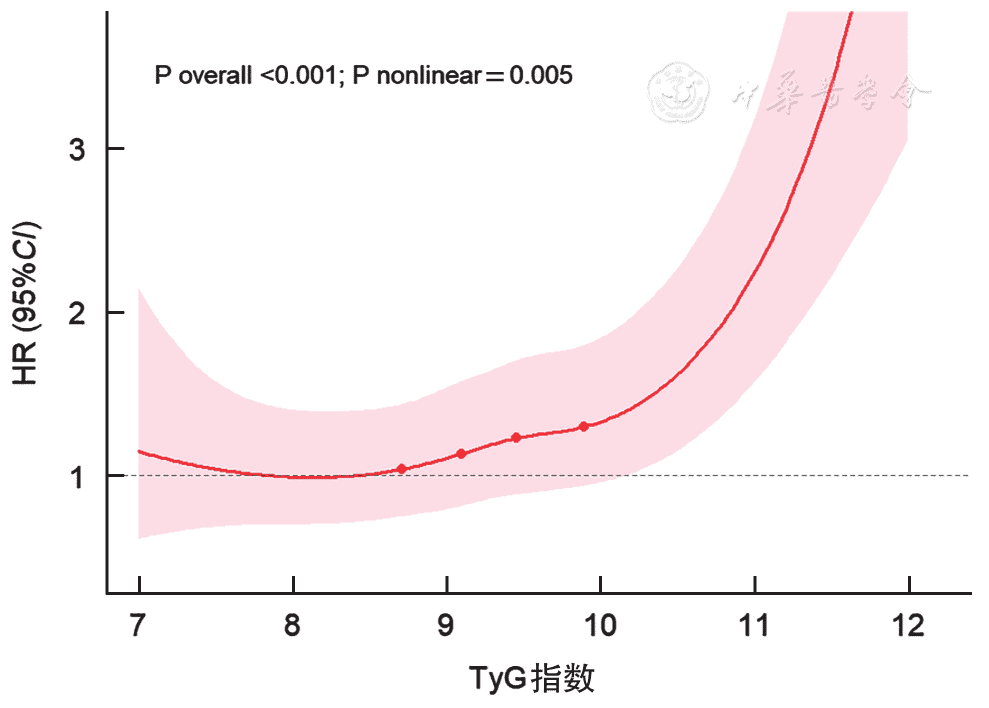
Figure 2 Dose-response relationship between TyG index and DR assessed by RCS analysis RCS: restricted cubic spline; TyG: triglyceride-glucose; DR: diabetic retinopathy; HR: hazard ratio; CI: confidence interval; TDI: Townsend deprivation index
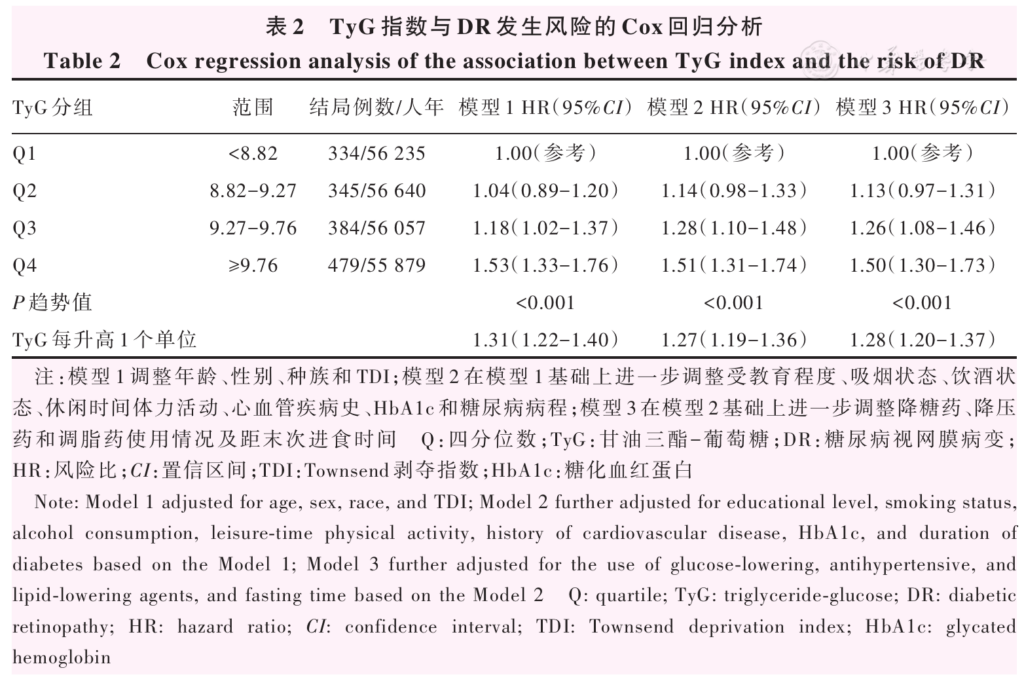
Table 2 Cox regression analysis of the association between TyG index and the risk of DR Note: Model 1 adjusted for age, sex, race, and TDI; Model 2 further adjusted for educational level, smoking status, alcohol consumption, leisure-time physical activity, history of cardiovascular disease, HbA1c, and duration of diabetes based on the Model 1; Model 3 further adjusted for the use of glucose-lowering, antihypertensive, and lipid-lowering agents, and fasting time based on the Model 2 Q: quartile; TyG: triglyceride-glucose; DR: diabetic retinopathy; HR: hazard ratio; CI: confidence interval; TDI: Townsend deprivation index; HbA1c: glycated hemoglobin
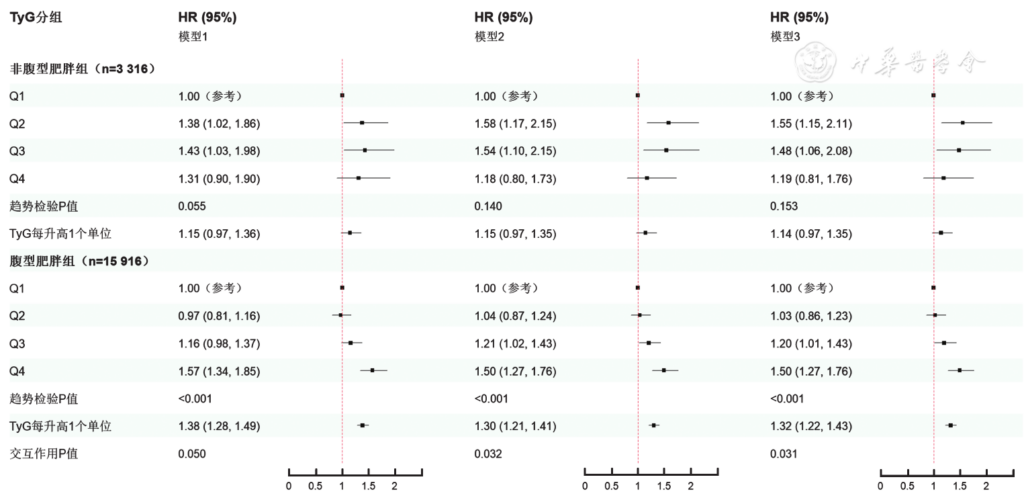
Figure 3 Association between TyG index and risk of DR after stratification by abdominal obesity Model 1 adjusted for age, sex, race, and TDI; Model 2 further adjusted for educational level, smoking status, alcohol consumption, leisure-time physical activity, history of cardiovascular disease, HbA1c, and duration of diabetes; Model 3 further adjusted for the use of glucose-lowering, antihypertensive, and lipid-lowering medications, and fasting time. Abdominal obesity was defined as WHR >0.90 in men and >0.85 in women Q: quartile; TyG: triglyceride-glucose; DR: diabetic retinopathy; HR: hazard ratio; CI: confidence interval; TDI: Townsend Deprivation Index; HbA1c: glycated hemoglobin; WHR: waist-to-hip ratio
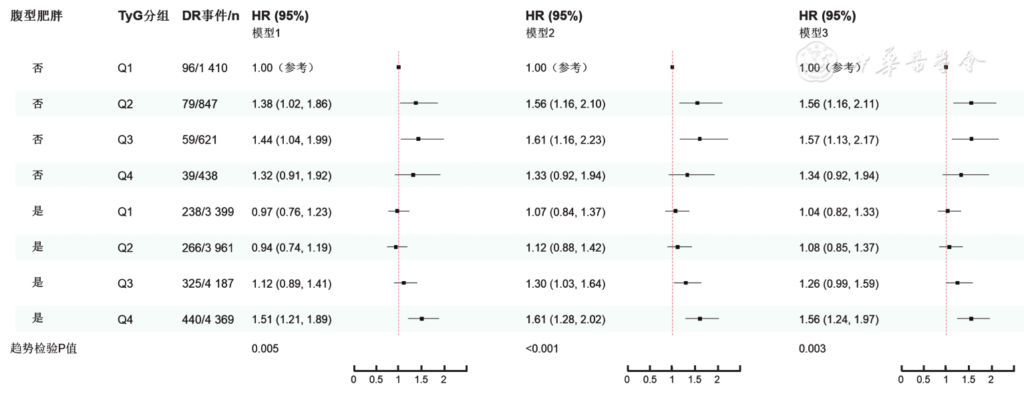
Figure 4 Joint analysis of abdominal obesity and TyG index on the risk of DR in patients with T2DM Model 1 adjusted for age, sex, race, and TDI; Model 2 further adjusted for educational level, smoking status, alcohol consumption, leisure-time physical activity, history of cardiovascular disease, HbA1c, and duration of diabetes based on the Model 1; Model 3 further adjusted for the use of glucose-lowering, antihypertensive, and lipid-lowering medications, and fasting time based on the Model 2. Abdominal obesity was defined as WHR>0.90 in men and >0.85 in women Q: quartile; TyG: triglyceride-glucose; T2DM: type 2 diabetes mellitus; DR: diabetic retinopathy; HR: hazard ratio; CI: confidence interval; TDI: Townsend deprivation index; HbA1c: glycated hemoglobin; WHR: waist-to-hip ratio
References click to collapse
[1] Hou X,Wang L,Zhu D,et al. Prevalence of diabetic retinopathy and vision-threatening diabetic retinopathy in adults with diabetes in China[J]. Nat Commun, 2023, 14(1):4296. DOI: 10.1038/s41467-023-39864-w.
[2] GBD 2019 Blindness and Vision Impairment Collaborators,Vision Loss Expert Group of the Global Burden of Disease Study. Causes of blindness and vision impairment in 2020 and trends over 30 years, and prevalence of avoidable blindness in relation to VISION 2020: the right to sight: an analysis for the Global Burden of Disease Study[J/OL]. Lancet Glob Health, 2021, 9(2):e144-e160[2026-03-20]. https://pubmed.ncbi.nlm.nih.gov/33275949/. DOI: 10.1016/S2214-109X(20)30489-7.
[3] Teo ZL, Tham YC, Yu M, et al. Global prevalence of diabetic retinopathy and projection of burden through 2045: systematic review and meta-analysis[J]. Ophthalmology, 2021, 128(11):1580-1591. DOI: 10.1016/j.ophtha.2021.04.027.
[4] van Sloten TT, Sedaghat S, Carnethon MR, et al. Cerebral microvascular complications of type 2 diabetes: stroke, cognitive dysfunction, and depression[J]. Lancet Diabetes Endocrinol, 2020, 8(4):325-336. DOI: 10.1016/S2213-8587(19)30405-X.
[5] DeFronzo RA, Ferrannini E, Groop L, et al. Type 2 diabetes mellitus[J]. Nat Rev Dis Primers, 2015, 1:15019. DOI: 10.1038/nrdp.2015.19.
[6] Dang K, Wang X, Hu J, et al. The association between triglyceride-glucose index and its combination with obesity indicators and cardiovascular disease: NHANES 2003-2018[J]. Cardiovasc Diabetol, 2024, 23(1):8. DOI: 10.1186/s12933-023-02115-9.
[7] Nayak SS, Kuriyakose D, Polisetty LD, et al. Diagnostic and prognostic value of triglyceride glucose index: a comprehensive evaluation of meta-analysis[J]. Cardiovasc Diabetol, 2024, 23(1):310. DOI: 10.1186/s12933-024-02392-y.
[8] Neelam K, Aung K, Ang K, et al. Association of triglyceride glucose index with prevalence and incidence of diabetic retinopathy in a Singaporean population[J]. Clin Ophthalmol, 2023, 17:445-454. DOI: 10.2147/OPTH.S382336.
[9] Wang Y, Miao Y, Wan Q. Association between triglyceride-glucose index and waist-to-hip ratio with type 2 diabetic retinopathy in the chinese population: a cross-sectional study[J]. Endocr Res, 2024, 49(4): 203-212. DOI: 10.1080/07435800.2024.2364719.
[10] Kassab HS, Osman NA, Elrahmany SM. Assessment of triglyceride-glucose index and ratio in patients with type 2 diabetes and their relation to microvascular complications[J]. Endocr Res, 2023, 48(4):94-100. DOI: 10.1080/07435800.2023.2245909.
[11] Yuan X, Peng M, Shi X, et al. Triglyceride-glucose index, genetic susceptibility, and trajectory of microvascular multimorbidity in type 2 diabetes[J]. Sci Rep, 2026, 16(1):8230. DOI: 10.1038/s41598-026-39777-w.
[12] Neelam K, Aung K, Ang K, et al. Association of triglyceride glucose index with prevalence and incidence of diabetic retinopathy in a singaporean population[J]. Clin Ophthalmol, 2023, 17:445-454. DOI: 10.2147/OPTH.S382336.
[13] Zhou J, Zhu L, Li Y. Association between the triglyceride glucose index and diabetic retinopathy in type 2 diabetes: a meta-analysis[J]. Front Endocrinol (Lausanne), 2023, 14:1302127. DOI: 10.3389/fendo.2023.1302127.
[14] Amirashov A, Balmukhanova A, Koishybayev A, et al. The triglyceride-glucose index as a biomarker of diabetic retinopathy: a systematic review and meta-analysis[J]. Front Med (Lausanne), 2025, 12: 1677818. DOI: 10.3389/fmed.2025.1677818.
[15] Pan Y, Zhong S, Zhou K, et al. Association between diabetes complications and the triglyceride-glucose index in hospitalized patients with type 2 diabetes[J]. J Diabetes Res, 2021, 2021:8757996. DOI: 10.1155/2021/8757996.
[16] Yao L, Wang X, Zhong Y, et al. The triglyceride-glucose index is associated with diabetic retinopathy in Chinese patients with type 2 diabetes: a hospital-based, nested, case-control study[J]. Diabetes Metab Syndr Obes, 2021, 14:1547-1555. DOI: 10.2147/DMSO.S294408.
[17] Panagiotakos DB, Pitsavos C, Yannakoulia M, et al. The implication of obesity and central fat on markers of chronic inflammation: the ATTICA study[J]. Atherosclerosis, 2005, 183(2): 308-315. DOI: 10.1016/j.atherosclerosis.2005.03.010.
[18] Hou L, Wang X, Li P, et al. Adiposity modifies the association between heart failure risk and glucose metabolic disorder in older individuals: a community-based prospective cohort study[J]. Cardiovasc Diabetol, 2024, 23(1):318. DOI: 10.1186/s12933-024-02418-5.
[19] Pan XF, Wang L, Pan A. Epidemiology and determinants of obesity in China[J]. Lancet Diabetes Endocrinol, 2021, 9(6):373-392. DOI: 10.1016/S2213-8587(21)00045-0.
[20] Wang Y, Miao Y, Wan Q. Association between triglyceride-glucose index and waist-to-hip ratio with type 2 diabetic retinopathy in the Chinese population: a cross-sectional study[J]. Endocr Res, 2024, 49(4): 203-212. DOI: 10.1080/07435800.2024.2364719.
[21] Chen J, Li YT, Niu Z, et al. Association of visceral obesity indices with incident diabetic retinopathy in patients with diabetes: prospective cohort study[J/OL]. JMIR Public Health Surveill, 2024, 10:e48120[2026-04-02]. https://pubmed.ncbi.nlm.nih.gov/38319705/. DOI: 10.2196/48120.
[22] Sudlow C, Gallacher J, Allen N, et al. UK Biobank: an open access resource for identifying the causes of a wide range of complex diseases of middle and old age[J/OL]. PLoS Med, 2015, 12(3):e1001779[2026-04-02]. https://pubmed.ncbi.nlm.nih.gov/25826379/. DOI: 10.1371/journal.pmed.1001779.
[23] Eastwood SV, Mathur R, Atkinson M, et al. Algorithms for the capture and adjudication of prevalent and incident diabetes in UK Biobank[J/OL]. PLoS One, 2016, 11(9):e0162388[2026-04-02]. https://pubmed.ncbi.nlm.nih.gov/27631769/. DOI: 10.1371/journal.pone.0162388.
[24] Anand SS, Friedrich MG, Lee DS, et al. Evaluation of adiposity and cognitive function in adults[J/OL]. JAMA Netw Open, 2022, 5(2): e2146324[2026-04-02]. https://pubmed.ncbi.nlm.nih.gov/35103790/. DOI: 10.1001/jamanetworkopen.2021.46324.
[25] Tyrrell J, Jones SE, Beaumont R, et al. Height, body mass index, and socioeconomic status: mendelian randomisation study in UK Biobank[J]. BMJ, 2016, 352:i582. DOI: 10.1136/bmj.i582.
[26] Rübsam A, Parikh S, Fort PE. Role of inflammation in diabetic retinopathy[J]. Int J Mol Sci, 2018, 19(4):942. DOI: 10.3390/ijms19040942.
[27] Peng JJ, Xiong SQ, Ding LX, et al. Diabetic retinopathy: focus on NADPH oxidase and its potential as therapeutic target[J]. Eur J Pharmacol, 2019, 853:381-387. DOI: 10.1016/j.ejphar.2019.04.038.
[28] Devi TS, Somayajulu M, Kowluru RA, et al. TXNIP regulates mitophagy in retinal Müller cells under high-glucose conditions: implications for diabetic retinopathy[J/OL]. Cell Death Dis, 2017, 8(5):e2777[2026-04-12]. https://pubmed.ncbi.nlm.nih.gov/28492550/. DOI: 10.1038/cddis.2017.190.
[29] Sharma S, Saxena S, Srivastav K, et al. Nitric oxide and oxidative stress is associated with severity of diabetic retinopathy and retinal structural alterations[J]. Clin Exp Ophthalmol, 2015, 43(5): 429-436. DOI: 10.1111/ceo.12506.
[30] Stratton IM, Adler AI, Neil HA, et al. Association of glycaemia with macrovascular and microvascular complications of type 2 diabetes (UKPDS 35):prospective observational study[J]. BMJ, 2000, 321(7258): 405-412. DOI: 10.1136/bmj.321.7258.405.
[31] Li J, Shi L, Zhao G, et al. High triglyceride levels increase the risk of diabetic microvascular complications: a cross-sectional study[J]. Lipids Health Dis, 2023, 22(1):109. DOI: 10.1186/s12944-023-01873-5.